Life sciences: an interview with Dr Lee Parry
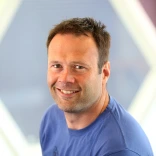
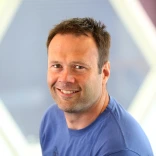
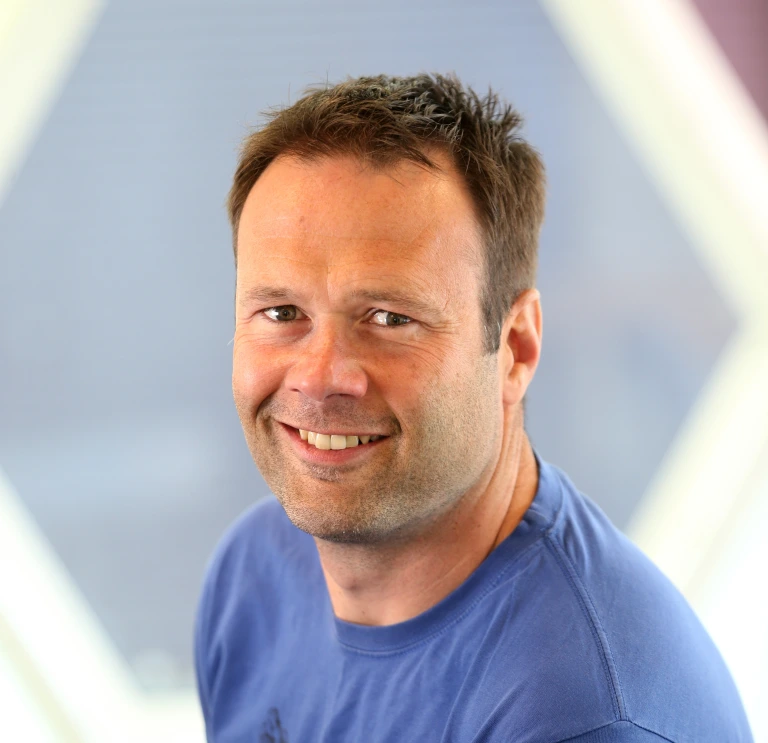
We talked to Dr Lee Parry BSc (Hons), PhD, FHEA, is a Senior Research Fellow and Lecturer at School of Biosciences, Cardiff University, head of the early detection and prevention group at the European Cancer Stem cell Research Institute and part of the Ambassador Wales Conference Programme. Find out more about the potentially life changing work that Lee and his colleagues are doing and why he feels so passionately about promoting Wales as a business events destination.
Tell us a little more about your work and what you do.
My work focusses on two areas mainly cancer prevention and cancer theranostics (development of agents which can simultaneously detect and treat cancer). The prevention work focuses on understanding the links between lifestyle/diet and cancer, while our theranostic work is investigating the possibility of using biological agents that only infect tumours to allow detection and simultaneously deliver a therapeutic payload; allowing for targeted treatment which spares healthy tissues thus avoiding serious side effects.
The word theranostics is a combination of the words “therapy” and “diagnostics,” and theranostics does just that. It uses radioisotopes to first image a patient's tumor for diagnostics and then therapeutically treat that tumor.
How would you describe the medical and biosciences sector in Wales?
The biomedical and medical sector in Wales is currently a very buoyant area that is reaping the rewards of recent government, administrative and academic support for innovation focussed research, innovation, and collaboration between academia, industry, and the National Health Service (NHS) Wales.
As a sector, Life Sciences offer significant global impact and often seek worldwide solutions to large humanitarian challenges. Cardiff University, is proud to have an established College of Biomedical and Life Sciences, boasting a vibrant academic community, undertaking innovative research and with a state-of-the-art learning facility.
What contribution is Wales making to the world of biosciences and research?
Research in Wales is making significant contribution in the areas of neuroscience and mental health with specialised institutions supported by major pharmaceutical companies. Wales has some unique capabilities in manufacturing and research that underpins latest developments in brain imaging, novel wound healing products, AI powered blood test for cancer, commercial organoid production and the world leading SAIL database - one of the richest population datasets in the world.

Why was it important to you to become a conference ambassador for Wales?
I am honoured to represent Wales as a destination for meetings and events, and if it means we can bring other expertise to our shores, create new relationships and collaborations, then that can only be good for everyone. Wales has capabilities and resources beyond what we – as a nation – can utilise. It is therefore really important to me that we not only promote this to the world but also help to fulfil the ambitions of the organisations and individuals who have strived to put us in such a strong position. I want to see us build on their legacy to achieve the major break throughs to sustainably balance and optimize the health of people, animals and ecosystems.
What do you feel Wales offers the world as a business destination, particularly in your specialist field.
Wales is a destination that affords organisers access to the scientific community, as well as new research and science. We can provide a highly focused, collaborative and strategically supported business environment for companies involved in medical technology, diagnostics and advanced therapies. Our "One Wales" approach provides a unique interconnected ecosystem, a supportive national government strategy and a full-scale healthcare system, for rapid innovation adoption. All with the warm Welsh hospitality and rich heritage.